
This week and for the next six ones, I am re-publishing, in English, posts I initially wrote in Romanian. Here is the Diary of a Romanian Racist in Transition.
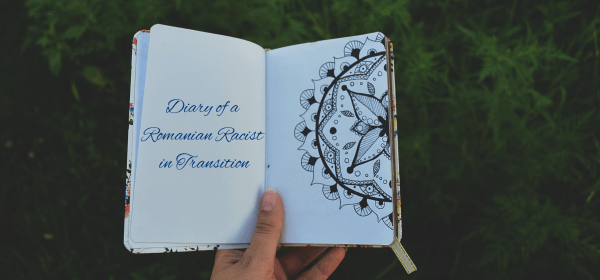

This week and for the next six ones, I am re-publishing, in English, posts I initially wrote in Romanian. Here is the Diary of a Romanian Racist in Transition.
When I heard our teacher ask us to do a personality test, I rolled my eyes (it seems to be a usual practice for me … ). Another one? Over the past years I had gone through so many. Some of them twice. What more could I find out about myself?

Between melting ice, loud power, and quiet despair, I find myself clinging to small acts — ten minutes of breathing, a walk without headphones, a message to a friend.
Perhaps our small worlds still matter.
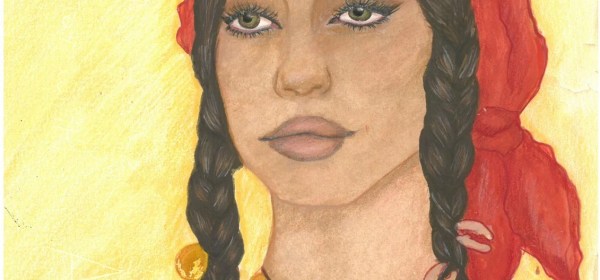
Episodul 7 este despre unul dintre cele mai persistente și dureroase stereotipuri din România: ideea că „hoțul rom” ar fi diferit de „hoțul român”. În acest episod scriu despre cum această credință a fost construită istoric, alimentată prin limbaj, povești, umor și reprezentare media, și despre cum continuă să modeleze frica, respingerea și neîncrederea de zi cu zi. Este un episod despre sclavie, dezumanizare și despre felul în care învățăm, fără să ne dăm seama, să vedem unii oameni ca fiind „mai puțin oameni”. Dacă vrei să înțelegi de unde vin aceste idei și ce putem face cu ele, te invit să citești.
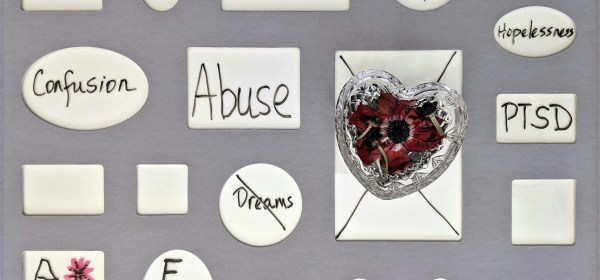
Episodul 6 vorbește despre una dintre cele mai importante lecții din călătoria spre anti-rasism: nu cere de la cei răniți să îți explice rana. În acest episod scriu despre iluzia de „curiozitate bine intenționată” și despre ce înseamnă, de fapt, să îi împingi pe romi să retrăiască traume istorice și personale doar pentru a ne satisface nouă nevoia de înțelegere. E un episod despre responsabilitate, empatie și despre puterea — și obligația — de a ne educa singuri. Dacă vrei să înțelegi de ce unele întrebări dor, aici e un început.
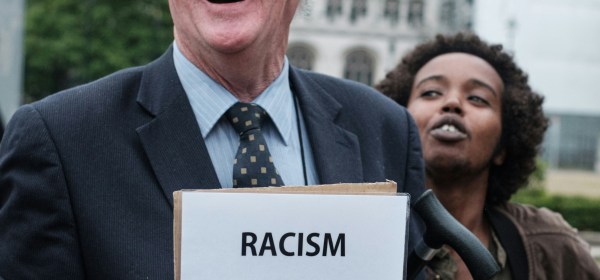
Episodul 5 este poate cel mai personal și mai incomod de până acum. Este povestea unei relații care m-a învățat că rasismul nu se vede în oglindă, ci se simte în plex — în reacțiile automate, în fricile nemărturisite, în felul în care ne raportăm la cei pe care societatea ne-a învățat să-i privim de sus. Scriu despre A., o femeie romă pe care am crezut că o ajut, fără să văd cât purtam, de fapt, în mine. Dacă vrei să înțelegi cum arată rasismul bine intenționat, acesta e episodul care pune reflectorul exact acolo unde evităm să ne uităm.
Partnering with students, families and schools towards effective cultural transition
Perspectives on International Education, Personal Memoirs and Reflections, and Essays
Reality Courage Ideas
Reality Courage Ideas
Reality Courage Ideas
Reality Courage Ideas
Reality Courage Ideas
Reality Courage Ideas
 Connect